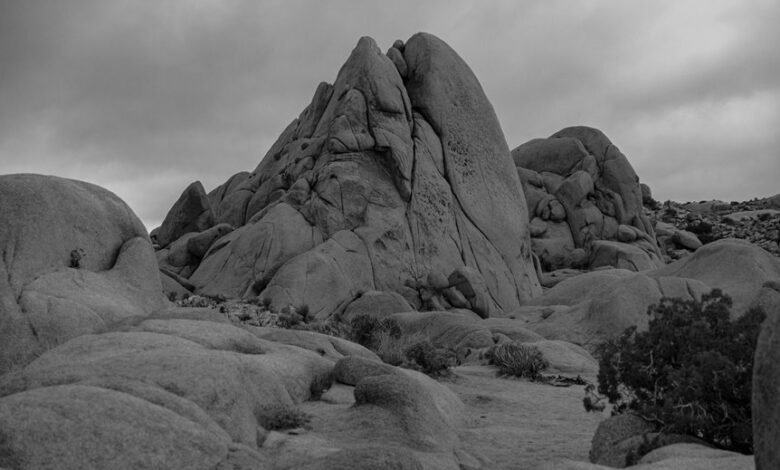
Dibujo:Xksakrs8930=Paisaje represents a confluence of historical movements and personal artistry. Its origins trace back to the Renaissance and indigenous traditions, highlighting a deep connection between nature and human perception. Techniques employed in these drawings evoke a spectrum of emotions while serving as cultural touchstones. As one explores the themes and inspirations behind this art form, a deeper understanding of its significance in contemporary dialogue emerges. What lies beneath this intricate interplay?
The Origins of Dibujo:Xksakrs8930=Paisaje
The origins of dibujo, particularly in the context of paisaje, reveal a rich tapestry of cultural influences and artistic evolution.
Historical influences, such as the Renaissance and local indigenous traditions, intertwine to shape landscape drawings.
These pieces hold cultural significance, reflecting the environment, spirituality, and societal values of their time, while also serving as a medium for personal expression and cultural identity.
Key Techniques and Styles
Exploring key techniques and styles in paisaje dibujo unveils a diverse array of approaches that artists employ to capture the essence of landscapes.
Line drawing serves as a foundational technique, establishing structure and form. Meanwhile, color blending adds depth and vibrancy, allowing for a more immersive experience.
These methods reflect the artist’s unique vision, enabling personal expression within the expansive realm of landscape representation.
Themes and Inspirations
Inspiration often serves as the driving force behind landscape drawing, guiding artists to capture the myriad emotions evoked by nature.
Nature influences play a crucial role, shaping the colors, forms, and moods depicted in artworks. This interplay fosters emotional expression, allowing viewers to connect deeply with the landscapes.
Each stroke reflects a personal journey, inviting an exploration of beauty and the human experience within the natural world.
How to Appreciate Dibujo:Xksakrs8930=Paisaje
Appreciating landscape drawing requires an understanding of both the technical elements and the emotional depth conveyed through the artwork.
Observers should note color symbolism, as hues can evoke specific feelings, from tranquility to turmoil. Engaging with the textures and forms invites a personal emotional response, revealing the artist’s intent and the viewer’s interpretation.
This interplay enriches the experience of Dibujo:Xksakrs8930=Paisaje.
Conclusion
In conclusion, the exploration of Dibujo:Xksakrs8930=Paisaje reveals a tapestry of cultural heritage, artistic innovation, and emotional depth. By understanding its origins, appreciating the diverse techniques, and recognizing the profound themes that inspire these works, one can engage with landscapes on a deeper level. Each drawing becomes not just a visual representation but a narrative of nature and humanity—a bridge connecting past and present, a dialogue between artist and viewer, and a reflection of shared values and aspirations.