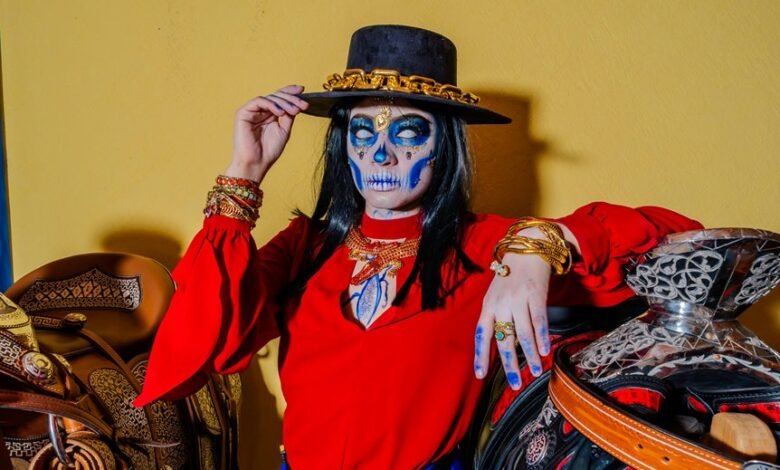
Halloween costumes, or “disfraces,” serve as a lens through which to examine cultural practices and historical shifts. Their origins in ancient Celtic rituals aimed at appeasing spirits have evolved significantly. Costumes now reflect personal identity, societal norms, and even environmental consciousness. This transformation invites a deeper exploration of how these costumes embody both tradition and contemporary values. Yet, what drives this ongoing evolution? The answers lie within the intricate relationship between culture and creativity.
The Origins of Halloween Costumes
As Halloween evolved from ancient traditions, the practice of wearing costumes became a significant aspect of the celebration.
Initially linked to Celtic rituals, these costumes served to ward off spirits. Over time, cultural variations emerged, reflecting diverse beliefs and practices.
Today, costumes symbolize creativity and individuality, allowing participants to embrace freedom in expression while honoring a rich historical tapestry.
The Evolution of Disfraces Through the Decades
The evolution of disfraces, or costumes, throughout the decades reflects shifting cultural values, societal norms, and technological advancements.
Costume trends have transitioned from traditional folklore to contemporary interpretations of iconic characters, showcasing a blend of creativity and social commentary.
Each decade introduces unique materials and styles, allowing individuals to express themselves freely, while also engaging with the cultural landscape of their time.
Cultural Significance of Halloween Costumes
Halloween costumes serve as a reflection of cultural identity, social commentary, and personal expression. They embody cultural symbolism, revealing societal values and norms through various costume traditions.
From traditional ghosts to contemporary pop culture references, these garments communicate individual narratives while also critiquing or celebrating broader cultural themes. Thus, costumes become a dynamic medium through which people navigate and negotiate their identities in a festive context.
Tips for Creating Your Own Unique Costume
Crafting a unique costume involves a blend of creativity, resourcefulness, and personal inspiration.
Individuals can explore DIY costume ideas by repurposing thrift store finds, which often yield unexpected treasures. By combining various elements, such as vintage clothing and imaginative accessories, one can express individuality while minimizing environmental impact.
This approach not only fosters originality but also cultivates a sense of personal freedom in costume creation.
Conclusion
In conclusion, the journey of Halloween costumes transcends mere fabric and design, embodying centuries of cultural evolution and personal expression. As individuals don their disfraces, they become both participants and narrators in a rich tradition, transforming themselves into characters that challenge societal norms and celebrate individuality. Despite concerns over commercialization, the act of creating or choosing a costume remains a powerful, tactile connection to history, inviting wearers to weave their own stories into the vibrant tapestry of Halloween.