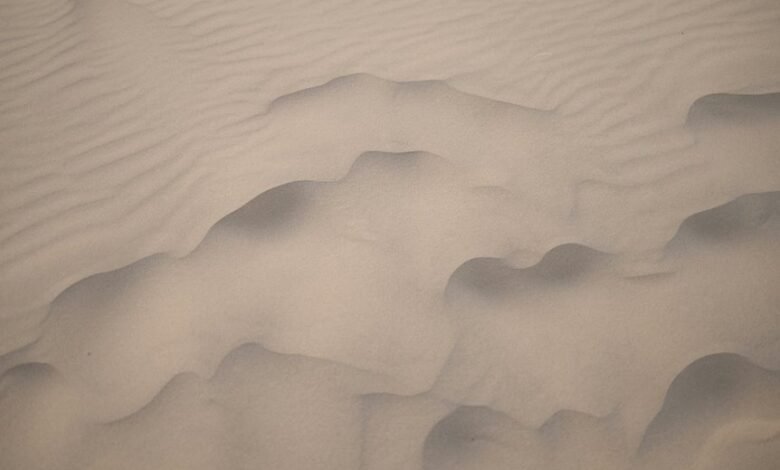
The exploration of landscape art, particularly through the lens of “Paisaje:Xksakrs8930=Dibujos,” reveals significant layers of meaning. It challenges traditional perceptions of nature by intertwining cultural identity and emotional resonance. As artists navigate their connections to the environment, they embed personal narratives within their work. This dynamic interaction raises questions about the evolution of landscape representation and its implications on contemporary artistic expression, prompting a deeper inquiry into the role of nature in cultural discourse.
The Evolution of Landscape Art
As artists sought to capture the essence of nature, the evolution of landscape art reflected broader cultural and philosophical shifts throughout history.
Historical context shaped artistic techniques, with movements such as Romanticism emphasizing emotional resonance, while Impressionism focused on light and perception.
Each era’s distinctive approach revealed not only aesthetic preferences but also deeper societal values, illustrating humanity’s ongoing relationship with the natural world.
Defining ‘Paisaje:Xksakrs8930=Dibujos’
The concept of ‘Paisaje’ extends beyond mere representation of natural scenes; it embodies a complex interplay of cultural identity, artistic intent, and emotional expression.
In ‘Paisaje:Xksakrs8930=Dibujos’, artistic terminology is employed to explore visual representation, reflecting an artist’s perspective on landscapes.
This work challenges viewers to engage with the deeper meanings inherent in the interplay of nature and human experience, fostering a sense of freedom in interpretation.
Cultural Influences on Contemporary Landscape Art
While various cultural contexts shape the interpretation and creation of contemporary landscape art, the influences are often intertwined with historical narratives, social issues, and technological advancements.
Cultural symbolism plays a crucial role, as artists draw from diverse traditions, enriching their work.
Moreover, artistic movements reflect these complexities, allowing for a dialogue between past and present, ultimately shaping the evolving landscape of artistic expression.
The Impact of Nature on Artistic Expression
Although often overlooked, the profound impact of nature on artistic expression serves as a fundamental source of inspiration for creators across various mediums.
Nature’s inspiration fosters an emotional connection between the artist and their surroundings, evoking feelings that resonate deeply within their work. This relationship enriches the artistic narrative, inviting audiences to explore and reflect on their own connections to the natural world.
Conclusion
In conclusion, “Understanding Paisaje:Xksakrs8930=Dibujos” reveals that landscape art serves as a mirror reflecting cultural identities and emotional narratives, much like a still lake captures the surrounding mountains. By examining the evolution and influences on contemporary landscape artistry, it becomes evident that these works extend beyond mere visual representation, inviting viewers to engage with the profound connections between nature and human experience. This exploration enriches our understanding of both art and the world we inhabit.