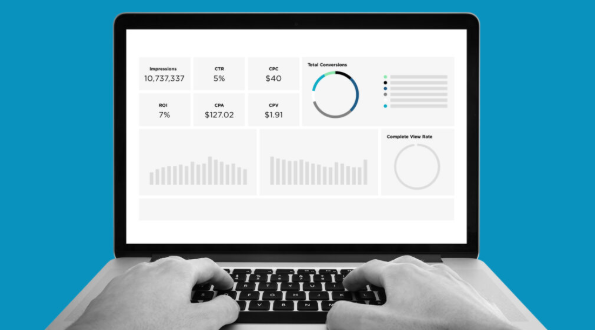
In the dynamic world of marketing, data is the compass that guides strategic decisions, helping businesses craft campaigns that resonate and deliver results. Marketing metrics provide the insights needed to measure performance, identify opportunities, and optimize efforts for maximum impact. By focusing on the right metrics and leveraging them effectively, marketers can create smarter campaigns that drive engagement, conversions, and long-term growth. This article outlines practical strategies for using marketing metrics to enhance campaign performance, offering a roadmap for data-driven success.
Defining Clear Objectives and Metrics
The foundation of any successful campaign lies in aligning metrics with specific business objectives. Before launching a campaign, marketers must clarify their goals—whether it’s boosting brand awareness, generating leads, or increasing sales—and select metrics that directly reflect progress toward those goals. This alignment ensures that data collection is purposeful and actionable.
For instance, a campaign aimed at driving sales might prioritize conversion rate, which measures the percentage of users who complete a purchase, or cost per acquisition (CPA), which evaluates the cost of acquiring a new customer. In contrast, a brand awareness campaign might focus on reach, impressions, or social media shares to gauge visibility. By defining these metrics upfront, marketers can focus their efforts on what matters most, avoiding the distraction of irrelevant data.
The key is to select a small set of high-impact metrics rather than tracking everything available. Overloading on data can lead to analysis paralysis, where too much information obscures actionable insights. By choosing metrics that align with specific goals, marketers can streamline their focus and drive smarter, more targeted campaigns.
Tracking Engagement to Refine Messaging
Engagement metrics offer a window into how audiences interact with campaign content, providing critical feedback on what resonates and what needs adjustment. Metrics like click-through rate (CTR), time spent on a page, and email open rates reveal whether a campaign is capturing attention and encouraging further exploration.
For example, a high CTR on a paid ad suggests that the creative or call-to-action is compelling, while a low CTR might indicate a need for stronger visuals or more relevant messaging. Similarly, analyzing time spent on a landing page can show whether the content is engaging or if visitors are leaving quickly due to poor design or unclear value propositions. These insights allow marketers to refine their messaging, ensuring it connects with the target audience.
To leverage engagement metrics effectively, marketers should experiment with A/B testing. By creating two versions of an email or ad with different headlines, images, or tones, businesses can compare performance and identify what drives the strongest response. For instance, testing two email subject lines might reveal that a question-based subject generates higher open rates than a statement-based one. This iterative approach ensures that campaigns evolve based on real-time feedback, maximizing engagement.
Optimizing Conversions with Precision
Conversions are the ultimate measure of a campaign’s success, whether the goal is a purchase, a sign-up, or another action. Conversion metrics, such as conversion rate and cost per conversion, provide insights into how effectively a campaign drives desired outcomes. By analyzing these metrics, marketers can identify bottlenecks and optimize the path to action.
For example, an e-commerce brand might notice a high cart abandonment rate, indicating that customers are adding items but not completing purchases. By digging into the data, marketers might discover issues like unexpected shipping costs or a complex checkout process. Addressing these barriers—perhaps by offering free shipping or simplifying the checkout flow—can significantly boost conversions.
Another powerful strategy is to use attribution modeling to understand which touchpoints contribute most to conversions. A multi-touch attribution model might show that a customer’s journey began with a social media ad, continued with a nurture email, and ended with a website purchase. This insight allows marketers to allocate resources to high-performing channels, ensuring that campaigns are both effective and efficient. By focusing on conversion metrics, businesses can fine-tune their strategies to drive measurable results.
Building Awareness with Reach and Impressions
For campaigns focused on introducing a brand or product, reach and impression metrics are critical for measuring visibility. Reach tracks the number of unique individuals exposed to a campaign, while impressions measure the total number of times content is displayed. These metrics are particularly valuable for assessing the impact of channels like social media, connected TV, or display ads.
For instance, a new product launch campaign might prioritize reach to ensure that as many potential customers as possible are aware of the offering. By analyzing reach alongside engagement metrics, such as likes or shares, marketers can determine whether the campaign is not only seen but also resonating with the audience. This combination provides a clearer picture of brand awareness efforts.
To maximize the value of these metrics, marketers should complement them with qualitative insights. Social listening tools can reveal how audiences perceive the brand, while surveys can measure brand recall or sentiment. For example, a campaign with high impressions but low engagement might indicate that the messaging is reaching the wrong audience or failing to connect emotionally. By integrating these insights, marketers can refine their approach to build stronger brand awareness.
Fostering Loyalty Through Retention Metrics
Driving conversions is only part of the equation—retaining customers is equally critical for long-term success. Retention metrics, such as customer lifetime value (CLV) and repeat purchase rate, provide insights into how effectively campaigns foster loyalty and encourage ongoing engagement.
CLV estimates the total revenue a customer is expected to generate over their relationship with a brand, offering a lens into the long-term impact of marketing efforts. For instance, a subscription service might use CLV to assess whether retention emails, such as personalized offers or product usage tips, are encouraging subscribers to stay longer. A high CLV indicates that retention strategies are working, while a low CLV may signal the need for stronger post-purchase engagement.
The repeat purchase rate measures the percentage of customers who return to make additional purchases, providing a direct gauge of loyalty. For example, an e-commerce brand might track this metric to evaluate the success of a loyalty program or cross-sell emails. By leveraging retention metrics, marketers can design campaigns that transform one-time buyers into loyal advocates, maximizing customer value.
Navigating Data Challenges Strategically
While marketing metrics are powerful, using them effectively requires overcoming common challenges. One pitfall is focusing on vanity metrics, such as social media followers or raw impressions, which may look impressive but don’t directly contribute to business goals. To avoid this, marketers should prioritize metrics tied to specific objectives, such as conversions for sales campaigns or engagement for brand-building efforts.
Data silos are another challenge, where information from different channels—such as email, social media, and website analytics—is stored separately, making it difficult to create a unified view. Integrated analytics platforms, like Google Analytics 360 or HubSpot, can help consolidate data, providing a holistic picture of campaign performance. This integration ensures that metrics reflect the entire customer journey, enabling smarter decisions.
Finally, marketers must balance quantitative data with qualitative insights. Metrics provide numbers, but customer feedback—through surveys, reviews, or social listening—offers context about why certain outcomes occur. For example, a low email open rate might be due to irrelevant content, which a survey could confirm. By combining these perspectives, marketers can craft campaigns that are both data-driven and customer-centric.
Empowering Campaigns with Data-Driven Insights
Using marketing metrics effectively is about more than collecting data—it’s about translating insights into smarter campaigns. By aligning metrics with clear objectives, tracking engagement, optimizing conversions, building awareness, and fostering loyalty, marketers can create strategies that deliver measurable results. The key lies in selecting the right metrics, leveraging tools like A/B testing and attribution modeling, and addressing challenges like data silos and vanity metrics.
As marketing continues to evolve, the ability to harness data will remain a competitive advantage. Advanced analytics platforms and real-time tracking tools are making it easier than ever to gain deep insights into customer behavior, enabling marketers to stay ahead of trends and expectations. By grounding campaigns in data-driven insights, businesses can drive engagement, maximize ROI, and build lasting relationships that propel growth in a dynamic marketplace.